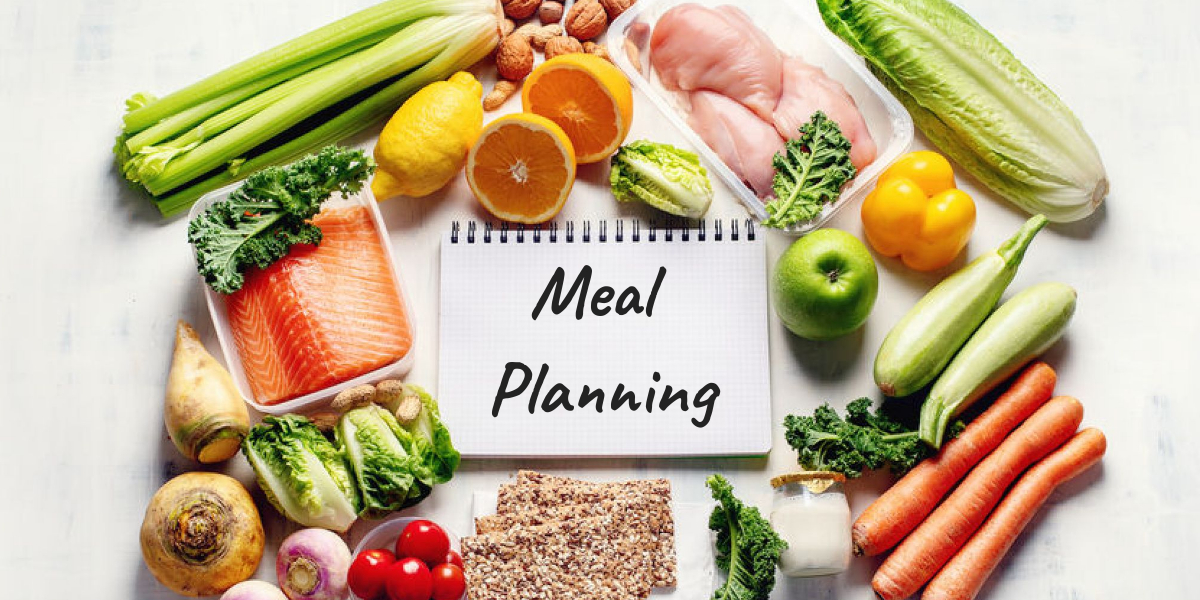
Planning meals for a week can be a chore, but with this meal plan, you'll have delicious and affordable options for every day. This is just a suggestion, feel free to adapt it to your preferences and dietary needs!
Key meal planning factors considered:
- Nutritional Balance
Following the FAO Kenya dietary guidelines (https://www.fao.org/nutrition/education/food-dietary-guidelines/regions/countries/kenya/en/), ensuring each day includes:
- Go foods (Energy): Diverse carbohydrates from different sources
- Grow foods (Protein): Meeting the recommendation of lean meat/fish 2+ times weekly
- Glow Foods (Vitamins/Minerals): Plenty of green leafy vegetables and colorful fruits
2.Seasonal availability
Incorporating foods available year-round and those with seasonal peaks based on availability
Weekly meal plan
| Day | Breakfast | Mid-morning snack | Lunch | Afternoon snack | Dinner | Evening |
| Monday | Finger millet porridge (wimbi) with milk & honey + scrambled eggs | | Roasted groundnuts + watermelon | Ugali + fish in coconut curry + kachumbari | Fresh fruit juice (passion fruit) | Ndengu with brown rice + steamed sukuma wiki | Lemon grass tea |
| Tuesday | Sweet potato porridge with milk + mandazi | Carrot sticks with groundnut paste | Mukimo with spinach + grilled chicken | Boiled maize (mahindi | Beef stir-fry with mixed vegetables + chapati | Pineapple ginger juice |
| Wednesday | Ugali + boiled eggs + avocado | Seasonal fruits (mango/papaya/Orange | Githeri (maize & beans) + steamed pumpkin leaves | Roasted sesame seeds | Pilau with kachumbari | Tamarind juice |
| Thursday | Sorghum porridge + banana + milk | Watermelon mint juice | Matoke with French beans + grilled tilapia | Groundnut | Chicken stew + sweet potato + cowpea leaves | Traditional herbal tea |
| Friday | Pancakes with mango salsa + tea | Boiled sweet potato with salt | Fish curry with rice + mixed vegetables | Fresh coconut water | Nyama choma + ugali + buttered terere | Sugarcane juice |
| Saturday | Uji (mixed cereals porridge) + eggs | Seasonal fruit salad | Chicken stew + boiled yams + jute mallow (murenda) | Roasted maize | Bean stew + chapati + nightshade vegetables | Milk tea |
| Sunday | French toast + tea with milk | Avocado with bread | Rice + lentil curry + mixed green vegetables | Fruit smoothie | Goat stew + ugali + pumpkin leaves | Evening tea |
Shopping List
Grains & Cereals
- Primary: Maize flour (white & whole grain), Rice (brown & white), Wheat flour, Finger millet, Sorghum
- Secondary: Cassava flour, Oats, Barley, Uji flour mix
- Bread: Whole wheat bread, Chapati flour
Proteins
- Animal: Fresh fish (tilapia, omena), Chicken (kienyeji preferred), Beef, Goat meat, Eggs
- Plant: ndengu (green grams), Lentils, Beans (various types), Pigeon peas, Cowpeas, Groundnuts
Vegetables (prioritizing indigenous varieties)
- Leafy greens: Sukuma wiki, Spinach, terere, Pumpkin leaves, Sweet potato leaves, kunde, (murenda),
- Other vegetables: Tomatoes, Onions, Carrots, Green beans, Peas, Pumpkin, Zucchini, Peppers, Broccoli
- Herbs: Garlic, Ginger, Coriander, Parsley
Fruits
- Year-round: Bananas, Avocados, Papayas, Watermelon
- Seasonal: Mangoes, Pineapples, Oranges, Passion fruits, Guavas, Tamarind
- Traditional: Wild berries when available
Dairy & Alternatives
- Fresh milk (preferably from local sources), Fermented milk, Yogurt
- Coconut milk for cooking
Seasonings & Condiments
- Essential: Iodized salt, Cooking oil (fortified), Coconut oil
- Spices: Curry powder, Pilau masala, Cumin, Turmeric, Coriander, Black pepper
- Traditional: Locally made salt when available
- Flavor enhancers: Tomato paste, Soy sauce, Vinegar
Natural sweeteners
- Honey, Brown sugar (minimal use)
Traditional beverages
- Tea leaves, Lemon grass, Roselle (for hibiscus tea), Tamarind, Ginger
Meal prep strategies
Sunday preparation
1. Bulk cooking: Prepare large batches of beans, lentils, and brown rice
2. Spice mixes: Prepare pilau masala and curry powder blends
3. Vegetable prep: Wash and chop hardy vegetables
4. Traditional preparations: Make lye (mukherekha) for the week's vegetables
Mid-week prep (Wednesday)
1. Protein preparation: Marinate meat for weekend meals
2. Grain rotation: Prepare finger millet and sorghum flours
3. Fresh juice prep: Prepare tamarind concentrates
Nutritional optimization tips
Meeting daily requirements:
- Carbohydrates: 3-5 cups per adult daily (rotating sources)
- Proteins: 80-120g per adult daily (mix of animal and plant)
- Vegetables: 1.5-2.5 cups per adult daily (emphasizing dark leafy greens)
- Fruits: 1-2 cups per adult daily (variety of colors)
Traditional nutrition enhancement:
- Use traditional lye for cooking vegetables to retain nutrients and color
- Incorporate fermented foods (sour milk, fermented cassava)
- Combine complementary proteins (beans + maize, rice + lentils)
- Use minimal processing to preserve nutrients
Budget management strategies
Cost-effective approaches:
1. Seasonal buying: Purchase fruits and vegetables in peak season
2. Bulk purchasing: Buy grains and legumes in larger quantities
3. Local sourcing: Prioritize local markets for indigenous vegetables
4. Protein rotation: Alternate between expensive and affordable protein sources
5. Leftover creativity: Transform leftovers into new dishes
Monthly budget allocation (Suggested)
- Grains & Staples: 40%
- Proteins: 25%
- Vegetables: 20%
- Fruits: 10%
- Seasonings & Dairy: 5%
Cultural & social considerations
Traditional meal patterns
- Breakfast: Substantial, often including porridge
- Mid-morning tea: Light snack with chai
- Lunch: Main meal with ugali/rice + vegetables + protein
- Afternoon tea: Light refreshment
- Dinner: Balanced meal, often communal
- Evening: Optional light meal or traditional drinks
Community integration:
- Market days: Plan shopping around local market schedules
- Seasonal celebrations: Incorporate special dishes during festivals
- Sharing culture: Prepare extra for unexpected guests
- Knowledge exchange: Learn from elder community members about traditional preparations
Health & safety considerations
Food safety:
- Water quality: Ensure clean water for cooking and drinking
- Storage: Proper storage of grains to prevent pest infestation
- Hygiene: Follow traditional and modern food safety practices
- Preparation: Properly cook all animal products and potentially toxic plants (cassava)
Dietary adaptations:
- Diabetes management: Emphasize whole grains and controlled portions
- Hypertension: Use traditional salt alternatives and herbs for flavoring
- Pregnancy/lactation: Increase protein and iron-rich foods
- Children: Include easily digestible, nutrient-dense options


