“Being overweight or obese is the second biggest preventable cause of cancer after smoking.”— Cancer Research UK
Let’s be real for a second. When people talk about cancer, they talk about genetics, pollution, smoking, and sometimes even bad luck. But there’s an elephant in the room and that elephant is obesity. You might be thinking: “Wait… Obesity causes cancer?” Yes, it does. This isn’t a scare tactic. This is science. And the good news? This is one risk factor you can actually control. According to the Centers for Disease Control and Prevention (CDC), being overweight or obese raises your risk for: Postmenopausal breast cancer, Colorectal cancer, Endometrial (uterine) cancer, Esophageal adenocarcinoma, Pancreatic cancer, Liver cancer, Kidney cancer, Ovarian cancer, Gallbladder cancer, Stomach cancer (upper part), Thyroid cancer, Multiple myeloma and Meningioma (brain tumor)
Explore the full CDC report here: Obesity and Cancer – CDC
The thing is, the obesity-cancer connection isn’t new but it’s shockingly under-discussed in mainstream health conversations. Why? Because cancer is complicated. It’s not always easy to trace one clear cause. But mounting evidence shows that excess body fat changes your hormones, fuels inflammation and damages cells all of which increase your cancer risk. If we don’t talk about this now, we’re ignoring one of the biggest drivers of cancer in our modern world.
1. Social sensitivity
Weight is a deeply personal issue. Many avoid discussing obesity out of fear of fat-shaming or being politically incorrect even in medical contexts.
2. Media priorities
Mainstream media and cancer campaigns often focus on smoking, alcohol, genetics, or environmental exposures topics that don’t challenge everyday habits as directly as obesity does.
3. The food industry
Processed food companies thrive on overconsumption. A stronger public conversation linking obesity to cancer could pressure them to reformulate something they’d rather avoid.
4. Fragmented health messaging
Often, obesity is treated as a separate issue from cancer. But health is interconnected and we need messaging that reflects that reality.
The result? Many people are unaware that their weight may directly influence their cancer risk and that needs to change.
Statistics
Global snapshot: 1.9 billion adults are overweight, and over 650 million are obese. In some populations, obesity accounts for nearly 20% of all cancer cases. (World Health Organization)
United States: 42% of adults are obese. (CDC, 2023)
Obesity is tied to: 55% of uterine cancers and 33% of liver cancers
Significant proportions of breast, kidney, pancreatic, and colorectal cancers
Africa's rising epidemic
Rapid urbanization and lifestyle shifts are accelerating obesity rates especially among women and young adults.
South Africa’s adult obesity rate exceeds 28%, with a concerning upward trend.
Kenya’s reality
In Kenya, adult obesity has been on the rise, with about 28% of women and 9% of men classified as overweight or obese (KNBS 2022). Urbanization, sedentary lifestyles, and dietary changes are fueling the trend.
Increasing obesity in children is also being reported, which may have long-term consequences for future cancer burdens. According to the WHO, over 390 million children and adolescents aged 5–19 are overweight or obese. That’s 1 in 5 teens globally and rising.
How does obesity fuel cancer?
Obesity doesn’t just sit there. It’s active. And not in a good way. Fat tissue, especially visceral fat (the kind that surrounds your organs), produces hormones, inflammatory chemicals and growth factors that disrupt how cells behave. This disruption can lead to uncontrolled cell growth aka, cancer. Here’s a breakdown of the key biological mechanisms:
1. Chronic inflammation
Obesity triggers the immune system into a prolonged state of inflammation. This stresses cells, disrupts repair mechanisms, and increases the chance of DNA mutations which can spark cancerous changes.
2. Hormonal imbalance
Excess body fat disturbs hormone balance:
i. Elevated estrogen increases breast and endometrial cancer risk.
ii. High insulin levels promote the development of colon and pancreatic cancer.
iii. Abnormal leptin levels encourage tumor cell growth.
3. Insulin resistance
Obese individuals often have higher levels of insulin and insulin-like growth factor-1 (IGF-1) both of which can stimulate tumor development, particularly in colorectal, kidney, and pancreatic cancers.
4. Altered immune function
A compromised immune system struggles to spot and destroy abnormal cells. In obesity, immune surveillance is diminished giving potential cancer cells the opportunity to grow unchecked.
NIH – Adiposity and Cancer Risk
BMI vs. Body fat composition
Most of us rely on BMI (Body Mass Index) to determine whether we are overweight or obese. But here's the thing, BMI doesn’t tell the full story. While it provides a general estimate based on weight and height, it doesn’t distinguish between fat and muscle or consider where fat is stored. That's where body fat composition becomes more meaningful. Specifically, visceral fat (the fat that surrounds your internal organs) is far more dangerous than subcutaneous fat (the fat under your skin). Visceral fat is highly inflammatory and plays a significant role in hormonal imbalances, particularly estrogen and insulin, which are known to promote certain types of cancers.
Want to track your own body composition? Smart Body Fat Scale with App
The role of gut health in obesity and cancer
Emerging research shows a strong connection between gut health, obesity and cancer. The gut microbiome influences inflammation, immunity, and how your body stores fat. A disrupted microbiome = higher risk of obesity and obesity-related cancers. Foods that support gut health:
a. Fiber-rich fruits and veggies
b. Fermented foods like yogurt, kombucah and kefir
c. Probiotics and prebiotics
Probiotic Supplements for Gut Health
Why parents need to care now more than ever
Obesity is affecting children at alarming rates. And we’re not just talking about the short-term risks of diabetes or bullying. We’re talking about long-term cancer risk before they even reach adulthood. Raising kids in an environment where movement, balanced meals and body-positive habits are the norm sets them up for a cancer-resistant life.
How to reduce your risk today?
You don’t need a perfect body. You need a sustainable, healthy lifestyle. Here’s how to start:
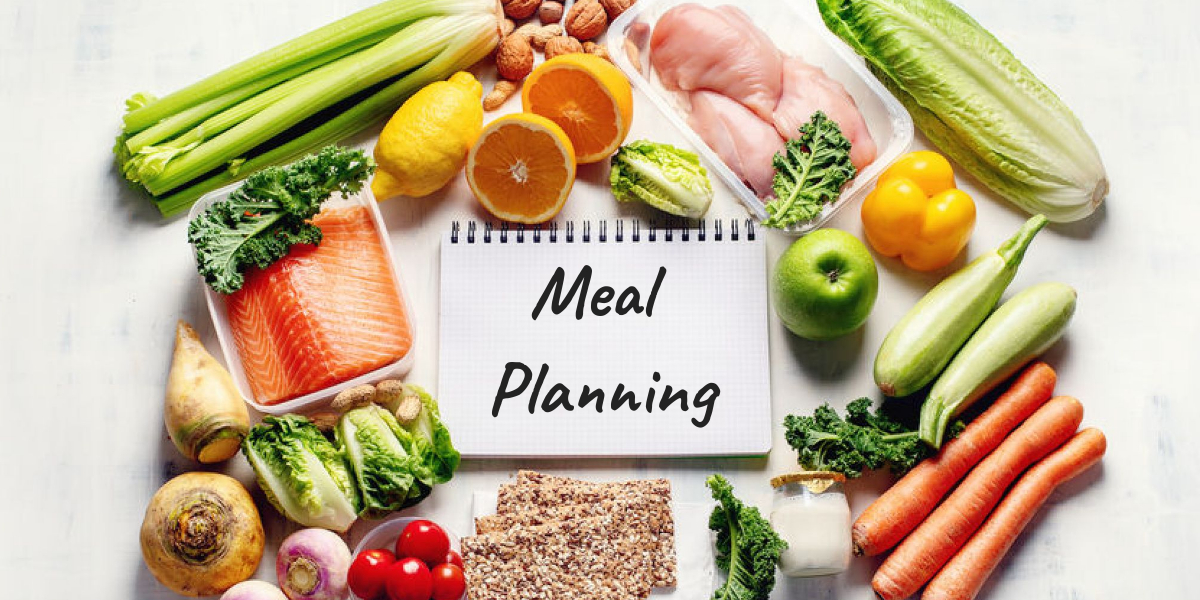
1. Upgrade your plate
Focus on:
a. Whole grains (quinoa, brown rice)
b. Cruciferous veggies (broccoli, kale)
c. Lean proteins (chicken, beans, tofu)
d. Anti-inflammatory spices (turmeric, ginger)
Avoid:
a. Processed meats
b. Sugary drinks
c. Highly refined snacks
The Anti-Inflammatory Diet & Action Plans – A complete guide to eating for long-term health and cancer prevention.
2. Move daily, even a little count
Aim for 150 minutes of moderate exercise per week. That’s just 30 minutes, five times a week.
Don’t like the gym? Try:
a. Walking meetings
b. Dance workouts
c. Biking with the kids
d. YouTube fitness channels
Stay fit at home: Under-Desk Walking Pad Treadmill — Perfect for busy people working from home.
3. Improve sleep and stress levels
Poor sleep increases hunger hormones and encourages fat storage. Combine that with stress-induced eating and you have a recipe for long-term weight gain.
a. Stick to a bedtime routine.
b. Limit screens at night.
c. Practice mindfulness or breathing techniques.
For better sleep: Calming Magnesium & Melatonin Supplement
4. Track your progress
Awareness leads to change. Keep a simple tracker or journal to monitor habits, weight, mood, and energy levels.
Use this tracker: Fit Without the Gym Health Planner
This isn’t just about avoiding cancer. It’s about living longer, feeling stronger and showing up fully in your life. You don’t need to chase fad diets. You don’t need to go from 0 to 100 overnight. You just need small, consistent choices and to stay informed. And let’s be clear: this isn’t just personal. As a society, if we don’t start talking about the obesity-cancer connection more seriously, we’re ignoring one of the most treatable risk factors for one of the most devastating diseases.
Obesity and cancer survival rates
Obesity doesn’t just increase your risk of developing cancer; it can also worsen your chances of survival after diagnosis. Why?
1.Delayed diagnosis: Obese individuals are often under-screened for certain cancers due to bias or missed symptoms.
2.Treatment complications: Higher rates of surgical risks, radiation complications and difficulty dosing chemotherapy.
3.Weakened response: Obesity is linked to insulin resistance and chronic inflammation, which may limit the effectiveness of treatment.
4.Higher recurrence rates: Studies show obese breast and colorectal cancer patients face higher recurrence and lower long-term survival.
In short, being obese at diagnosis is associated with poorer outcomes but the good news is that even modest weight loss can improve prognosis and treatment response.
Frequently Asked Questions (FAQs)
1. Can losing weight reduce cancer risk?
Yes. Even modest weight loss (5–10% of body weight) can lower inflammation, improve insulin sensitivity and reduce levels of cancer-promoting hormones.
2. Is obesity linked to all types of cancer?
No, but it is linked to at least 13 known types, including breast, colorectal, endometrial, and pancreatic cancer.
3. Why is visceral fat more harmful than subcutaneous fat?
Visceral fat wraps around internal organs and releases inflammatory substances and hormones that promote cancer growth and disrupt normal metabolism.
4. How do I know if I have too much visceral fat?
Waist circumference and body fat composition (using smart scales or DEXA scans) are more accurate indicators than BMI alone.
5. Can improving gut health help with weight loss and cancer prevention?
Yes! A healthy gut microbiome helps regulate weight, manage inflammation, and support immune function, all crucial in preventing obesity and cancer.
In conclusion, We’ve spent too long separating discussions of obesity and cancer. But the research is loud and clear: the two are deeply connected and the relationship is more complex and more serious than many people realize. It's not just about carrying a few extra pounds. It’s about how those pounds affect your body internally: your hormones, your immune system, and your risk of serious disease. By understanding the science behind this connection, we can make better choices from our plates to our daily habits. Whether it’s watching your visceral fat, improving your gut health, or simply moving more, every step matters.
it’s not about blame. It’s about awareness. Prevention and power.
Trusted resources for further reading
- World Cancer Research Fund: Obesity and Cancer
- Harvard Health Blog on Obesity & Cancer
- CDC Obesity & Cancer
If you found this valuable, share it with a friend. Help shift the conversation. Let’s make obesity prevention a cancer prevention strategy.